The complete process of customized food packaging bags

The Importance of Plastic Flexible Packaging in People’s Lives
20/05/2024
Do you know the Secret of Coffee Packaging Bags?
29/05/2024
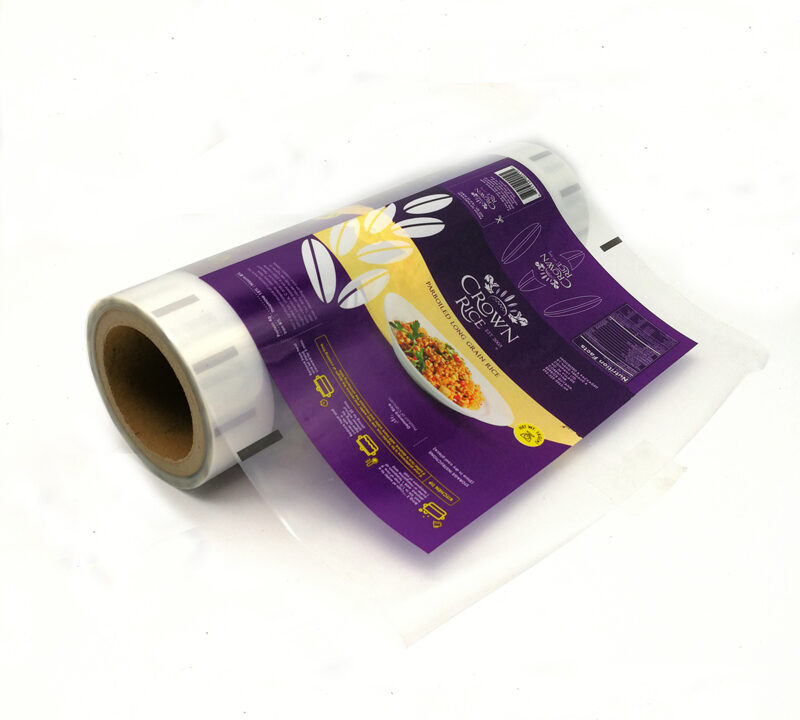
Food packaging bags play a vital role in modern society. They are not only a tool for food preservation, but also a communicator of brand image. The complete process of customizing food packaging bags includes design, material selection, printing, production and delivery. Each link requires careful design and strict control to ensure the final production of high-quality food packaging that meets customer needs and market standards. bag.
1. Design stage:
Design is the first step in customizing food packaging bags. The designer conducts the overall design of the packaging bag based on factors such as customer needs, product characteristics, and market positioning. The design draft needs to take into account visual appeal, brand recognition, information transmission effect, etc. to ensure that the packaging bag can attract consumers’ attention on the shelf. Designers need to understand customer needs and brand image, combine product characteristics and market trends, and design the appearance and structure of packaging bags that meet customer needs.

2. Material selection:
After the design is determined, suitable materials need to be selected to make food packaging bags. Commonly used food packaging materials include paper, plastic, aluminum film, etc. Different materials have different properties, such as fresh-keeping performance, moisture-proof performance, heat resistance, etc. Material selection needs to take into account factors such as food characteristics, packaging needs and environmental protection requirements. At the same time, the quality and safety of materials are also crucial, and it is necessary to ensure that the selected materials meet food safety standards.
3. Printing link:
Printing is an important part of customizing food packaging bags. Through printing, design patterns, brand logos, product information and other contents can be printed on the packaging bags. The choice and quality of the printing process directly affects the appearance and texture of the packaging bag. Common printing methods include flexographic printing, gravure printing, screen printing, etc. During the printing process, factors such as color accuracy, printing quality, and printing speed need to be paid attention to to ensure that the printing effect meets the design requirements.

Gravure Printing
4. Production process:
The production link is the core link of customized food packaging bags. The designed and printed materials will be processed by cutting, heat sealing, forming and other processes to finally form the finished food packaging bags. The production process requires strict quality control to ensure that the packaging bags meet food hygiene standards and customer requirements. During the production process, it is necessary to strictly follow the process requirements to ensure that the size, structure and printing quality of the packaging bags meet the standards.
5. Delivery stage:
The completed food packaging bags will be delivered to customers or distributors. In the delivery process, it is necessary to ensure that the quantity, quality and delivery time of packaging bags meet customer needs to ensure customer satisfaction. At the same time, you need to pay attention to the protection of the packaging bag during transportation to avoid damage that affects the use effect. After the customer receives the packaging bag, he needs to conduct a quality inspection and ensure that the packaging bag meets the expected requirements.
To sum up, the whole process of customizing food packaging bags covers multiple links such as design, material selection, printing, production and delivery. Each link needs to be carefully designed and strictly controlled to ensure that the final product is of high quality and in line with the market. Demand food packaging bags. Through careful design and strict management, customized food packaging bags will bring better market performance and brand image to food companies, and help product sales and corporate development.