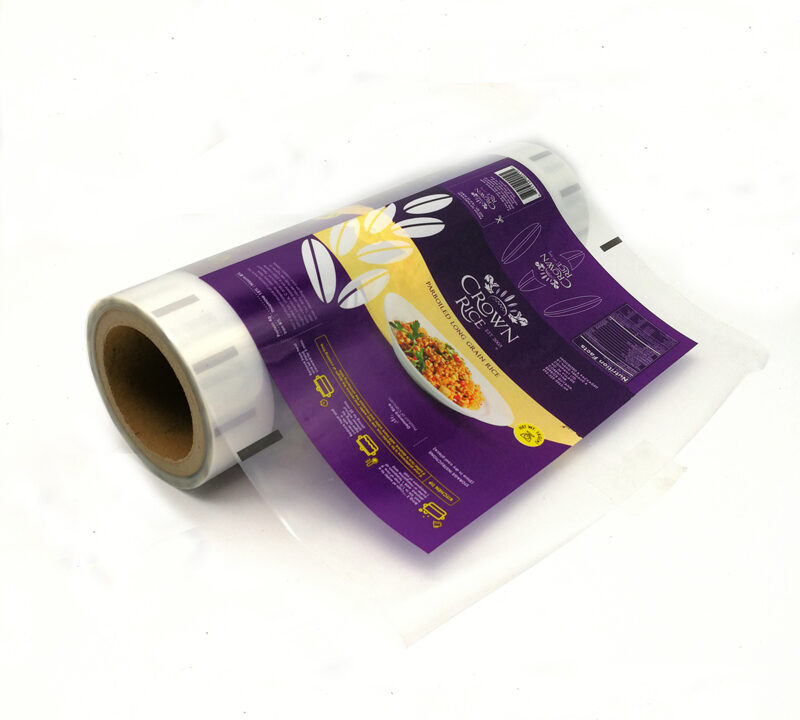
The Versatility and Sustainability of Flexible Plastic Packaging
Choosing the Right Packaging for Snacks
15/02/2026
In today’s fast-paced world, the demand for convenient and efficient packaging solutions is on the rise. Flexible plastic packaging has emerged as a versatile and practical choice for a wide range of industries, offering numerous benefits in terms of functionality, cost-effectiveness, and sustainability. In this article, we will delve into the world of flexible plastic packaging, exploring its uses, advantages, and environmental considerations.
Versatility and Applications
Flexible plastic packaging encompasses a diverse range of products, including plastic bags, pouches, wraps, films, and sachets. Its flexibility and adaptability make it suitable for packaging various products across industries such as food and beverage, personal care, pharmaceuticals, and household goods. From snacks and beverages to toiletries and cleaning products, flexible plastic packaging plays a crucial role in preserving and protecting a wide array of goods.
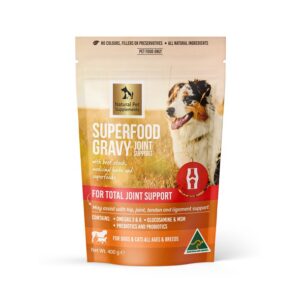
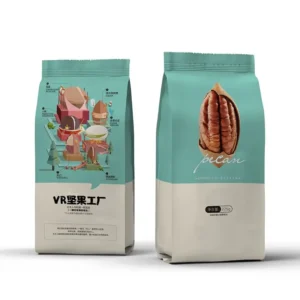
One of the key advantages of flexible plastic packaging is its ability to conform to different shapes and sizes, providing a customizable and efficient packaging solution. Whether it’s a resealable pouch for snacks, a stand-up pouch for liquid products, or a shrink wrap for multipacks, flexible plastic packaging offers versatility in design and functionality to meet the diverse needs of consumers and businesses alike.
Advantages of Flexible Plastic Packaging
Flexible plastic packaging offers several advantages that contribute to its popularity and widespread use in the packaging industry. Some of the key benefits include:
- Lightweight and Portable: Flexible plastic packaging is lightweight and easy to carry, making it ideal for on-the-go consumption and transportation.
- Durability and Protection: Flexible plastic materials provide a protective barrier against moisture, oxygen, light, and contaminants, helping to extend the shelf life of perishable goods and maintain product freshness.
- Customization and Branding: Flexible plastic packaging can be customized with vibrant graphics, logos, and designs to enhance brand visibility and attract consumers’ attention on store shelves.
- Cost-Effectiveness: Flexible plastic packaging is often more cost-effective than rigid packaging materials, offering savings in production, transportation, and storage costs.
- Sustainability and Recycling: Many types of flexible plastic packaging are recyclable, and advancements in recycling technologies have made it possible to convert used plastic packaging into new products, contributing to a circular economy approach.
Environmental Considerations
While flexible plastic packaging offers numerous benefits, its environmental impact has raised concerns regarding plastic pollution and waste management. Improper disposal of plastic packaging can lead to littering, marine pollution, and harm to wildlife and ecosystems. To address these challenges, efforts are being made to promote sustainable practices in the production, use, and disposal of flexible plastic packaging.
Recycling plays a crucial role in mitigating the environmental impact of flexible plastic packaging. By collecting and recycling used plastic materials, we can reduce the amount of plastic waste entering landfills and oceans, conserve resources, and minimize the carbon footprint associated with plastic production. Additionally, innovations in recyclable and compostable plastic materials are paving the way for more sustainable packaging solutions that align with circular economy principles.
Conclusion
Flexible plastic packaging continues to be a versatile and indispensable packaging solution for a wide range of products and industries. Its flexibility, durability, and cost-effectiveness make it a preferred choice for manufacturers, retailers, and consumers seeking convenient and sustainable packaging options. By embracing sustainable practices, promoting recycling initiatives, and exploring innovative packaging solutions, we can harness the benefits of flexible plastic packaging while minimizing its environmental impact. Let us work together to create a more sustainable future where packaging solutions balance functionality, efficiency, and environmental responsibility.