
The Versatility and Benefits of Roll Stock Packaging
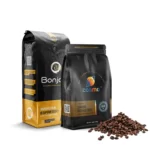
Do you know the Secret of Coffee Packaging Bags?
29/05/2024
The Versatility and Sustainability of Kraft Paper Bags
18/10/2025
In the fast-paced and dynamic world of modern industry, packaging plays a crucial role in ensuring the safety, quality, and appeal of products. Among the various packaging options available, roll stock packaging has emerged as a versatile and efficient solution that meets the diverse needs of different industries. From food and beverage to pharmaceuticals and cosmetics, roll stock packaging offers a range of benefits that make it a popular choice for manufacturers and consumers alike.
Introduction to Roll Stock Packaging
Roll stock packaging, also known as roll-fed packaging, is a type of flexible packaging that comes in the form of a continuous roll of material. This material can be made of various substrates such as plastic films, paper, aluminum foil, or laminates, depending on the specific requirements of the product being packaged. The roll stock is typically fed into a form-fill-seal machine, where it is formed, filled with the product, and sealed to create individual packages.


Versatility of Roll Stock Packaging
One of the key advantages of roll stock packaging is its versatility. It can be used to package a wide range of products, including snacks, confectionery, frozen foods, pet food, pharmaceuticals, and more. The flexibility of roll stock packaging allows for customization in terms of size, shape, and design, making it suitable for different product types and packaging requirements.
Benefits of Roll Stock Packaging
- Cost-Effective: Roll stock packaging is often more cost-effective than other types of packaging, such as rigid containers or pre-formed pouches. The continuous roll format reduces material waste and transportation costs, making it an economical choice for manufacturers.
- Efficiency: Roll stock packaging is compatible with high-speed form-fill-seal machines, allowing for efficient and automated packaging processes. This results in increased production output and reduced labor costs.
- Extended Shelf Life: Roll stock packaging can be tailored to provide barrier properties that protect the product from moisture, oxygen, light, and other external factors. This helps extend the shelf life of perishable products and maintain their freshness and quality.
- Sustainability: Many roll stock materials are recyclable and can be made from environmentally friendly materials. By choosing sustainable options, manufacturers can reduce their environmental impact and appeal to eco-conscious consumers.
- Brand Visibility: Roll stock packaging offers a large printable surface area for branding, product information, and marketing messages. This allows manufacturers to enhance their brand visibility and attract consumers’ attention on the retail shelf.
Applications of Roll Stock Packaging
Roll stock packaging finds applications across various industries, including:
- Food and Beverage: Roll stock packaging is commonly used for packaging snacks, confectionery, dairy products, beverages, and more. It provides excellent barrier properties to protect the food products and maintain their freshness.
- Pharmaceuticals: Roll stock packaging is ideal for packaging pharmaceutical tablets, capsules, powders, and other medical products. The barrier properties of the packaging help ensure the safety and efficacy of the medications.
- Cosmetics and Personal Care: Roll stock packaging is used for packaging cosmetics, toiletries, and personal care products. Its customizable design options allow for attractive and eye-catching packaging solutions.
- Industrial Products: Roll stock packaging is also used for packaging industrial products such as chemicals, hardware, and automotive parts. The durable and protective nature of the packaging ensures the safe transportation and storage of these products.


Future Trends in Roll Stock Packaging
As technology and consumer preferences continue to evolve, the future of roll stock packaging looks promising. Some of the key trends shaping the future of roll stock packaging include:
- Smart Packaging: Incorporating smart features such as QR codes, RFID tags, and sensors into roll stock packaging to provide consumers with product information, track authenticity, and enhance the overall consumer experience.
- Eco-Friendly Materials: Increasing demand for sustainable and eco-friendly packaging materials that reduce environmental impact and promote recycling and composting.
- Personalization: Customizing roll stock packaging with unique designs, colors, and messages to create a personalized and engaging experience for consumers.
- Automation and Industry 4.0: Integration of automation, robotics, and digital technologies into roll stock packaging processes to improve efficiency, accuracy, and productivity.
Conclusion
In conclusion, roll stock packaging is a versatile, efficient, and cost-effective packaging solution that offers numerous benefits for manufacturers and consumers. Its flexibility, sustainability, and customization options make it an ideal choice for a wide range of industries. As the packaging industry continues to innovate and adapt to changing market demands, roll stock packaging is expected to play an increasingly important role in meeting the packaging needs of the modern industry.
With its ability to enhance product protection, extend shelf life, improve brand visibility, and reduce environmental impact, roll stock packaging is poised to remain a staple in the packaging landscape for years to come. Manufacturers looking to optimize their packaging processes and meet the evolving needs of consumers can benefit greatly from incorporating roll stock packaging into their production lines.
How the roll stock be used?Click here to view more: [Guide on Rollstock Packaging Machine]


