How are potato chips produced?
Delivery quantity of gravure printing packaging
15/12/2023
The advantages of spout pouch
04/01/2024
Potato chips are an extremely popular snack food. We can see them in various occasions. It can be said that potato chips have become an important symbol in snacks. Potato chips are not only an important part of European and American food, but also an indispensable snack in Asia. In China, we can also see various new potato chip flavors developed based on local taste habits. Next, we will introduce you to the complete potato chip production process.
A complete automated potato chip production process can basically be divided into the following 13 steps:
1. Conveying materials: In the first step, we need to manually pour the potatoes into the container of the conveyor, and transport the potatoes continuously and evenly to the next process through the conveyor belt.
2. Cleaning and peeling: The potatoes that are transported in are not washed and peeled. We can easily clean and peel the potatoes through the high-pressure flushing device and spiral blades of the machine.
3. Inspection and selection: The cleaned and peeled potatoes are selected while entering the next process through the conveyor belt, and defective products or incompletely peeled potatoes are removed to prevent them from entering the next process.
4. Slicing: The thickness of potato slices can be adjusted in advance with a slicer.
5. Rinsing: The rinsing machine is equipped with a bubble generating device, which makes the potatoes tumble, effectively removing starch and impurities on the surface of the material. Floating objects can overflow from the overflow tank, and sediments are discharged from the sewage outlet to achieve the purpose of cleaning.
6. Heating and drying: This step is to dry the moisture on the surface of the potatoes for the next step of frying.
7. Cooling: After drying, potatoes will have a certain amount of heat and may stick together. The cooling machine can use bubble-type imitation manual scrubbing to quickly lower the temperature of the potato surface and fully break up the potatoes, which is beneficial to the uniformity during frying. After cooling is completed, the potatoes are sent to the next process through the conveyor belt to continue processing.
8. Air drying: The high-pressure wind of the fan cools the food and dries the surface moisture, so that the moisture of the potato chips is blown away or evaporated in a short time, effectively preventing oil jumping during frying and shortening the frying time.
9. Frying: This step is the most important step related to the taste of potato chips. We need to control the temperature of the oil and the frying time, and we need to keep turning the potato chips in the oil pan to heat them evenly. Of course, the step of flipping potato chips does not require our manual operation. The fryer will automatically complete this step for us.
10. De-oiling: The fried potato chips are transported by the conveyor belt and quickly cooled by the high-pressure wind of the fan and the oil on the surface is blown off, so that the oil in the potato chips is blown off in a short time. The equipment is equipped with an oil catcher. The blown oil can be collected through the oil catcher and reused. This saves oil and makes the potato chips non-greasy, tastes better, and is convenient for storage.
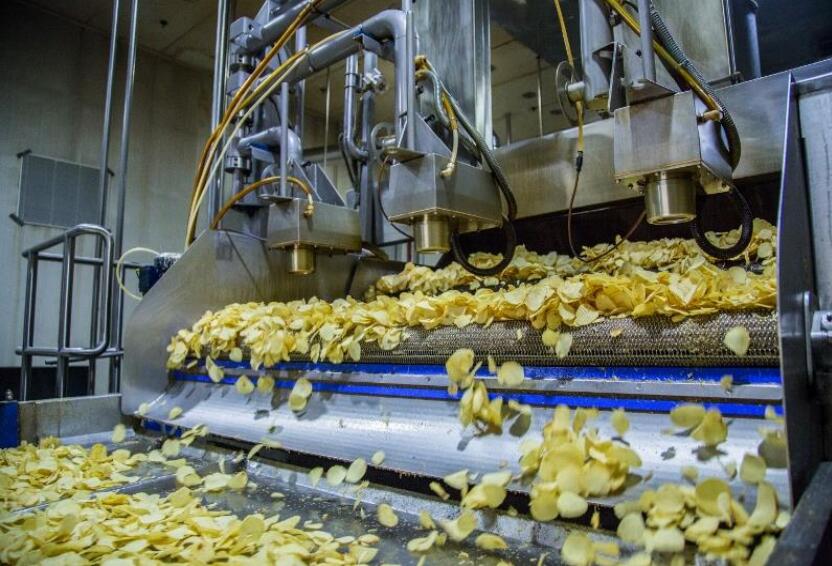
11. Picking: Continue to transport to the next process through the conveyor belt, and at the same time pick defective or incompletely fried potato chips.
12. Seasoning: The potato chips are transported to the seasoning drum through the conveyor belt, and the machine will automatically sprinkle the seasoning evenly. Of course, after the seasoning is completed we need to manually taste whether the potato chips are up to the standard we require, otherwise we will need to re-season them.
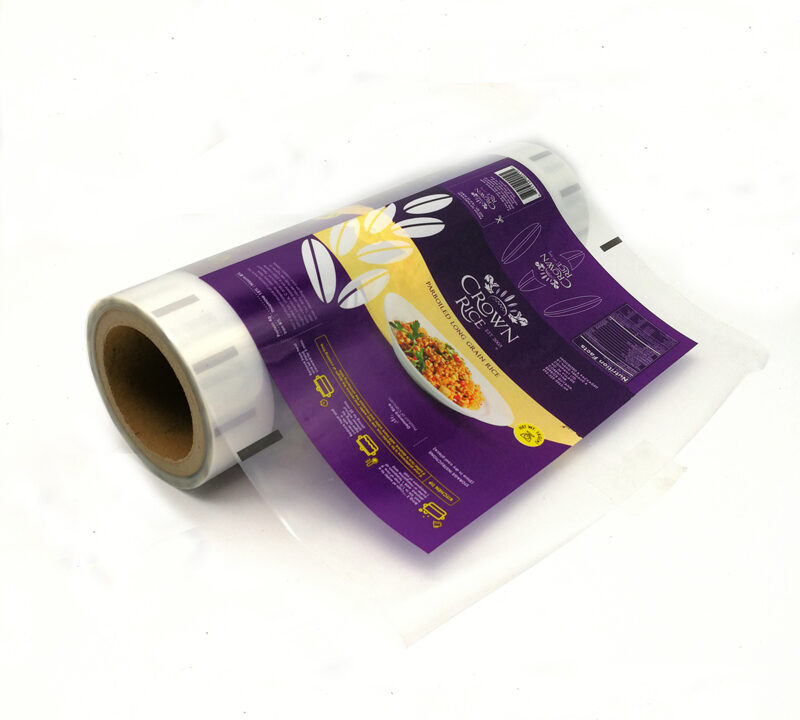
13. Packing:After completing the above steps, it means that our potato chips have reached the sales standard. Then we will need to package them. Using fully automatic packaging machines and roll films can achieve fast and accurate packaging.
The above is the whole process of automated potato chip production. Do you still have questions? If so, please feel free to contact us.